
How textbook quality is maintained, step by step
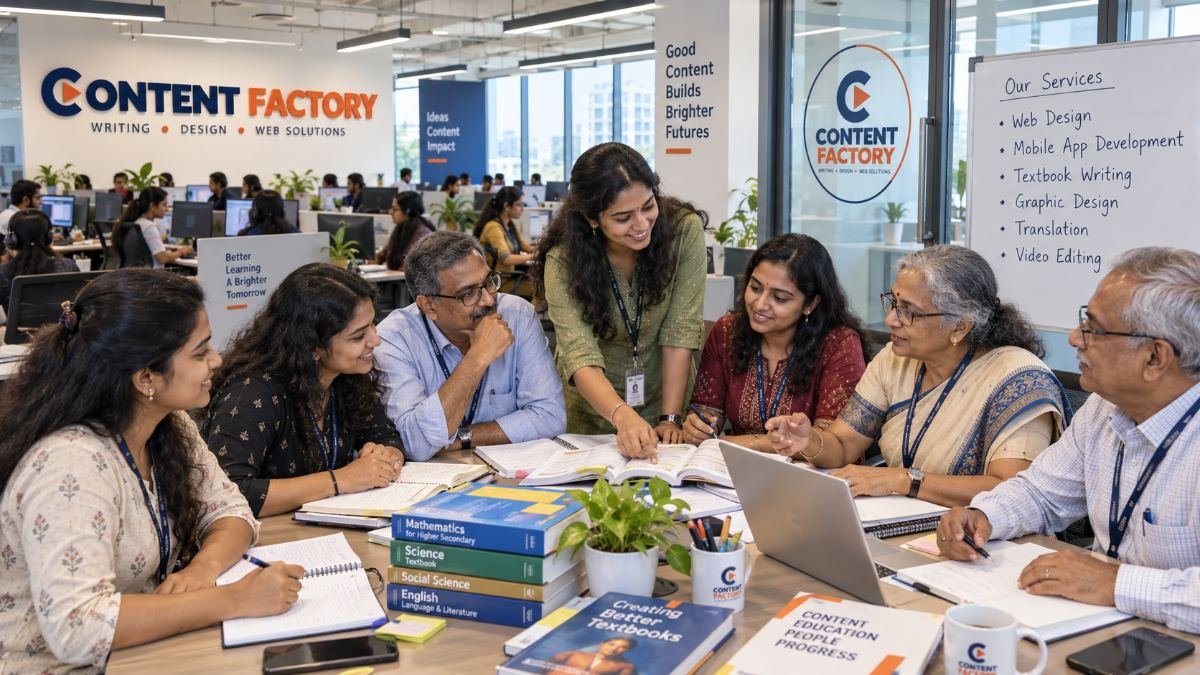
“Quality” is the word every textbook service uses and almost none define. At Content Factory it means a specific sequence of checks, each run by a different person, each catching a kind of error the others miss. This is what that sequence looks like, and why each step exists.
1. Syllabus mapping before writing
Before any chapter is drafted, every learning outcome in the board document is mapped to the chapter and section that will teach it. You approve that map. It is the one document that guarantees nothing is missed and nothing is taught that the board does not examine — and it becomes the correlation document reviewers ask for at adoption.
2. Written by a subject specialist
Chapters are written by people who teach or have taught the subject at that level. A physics chapter for Class 11 is written by someone who knows where Class 11 students go wrong, which is different knowledge from knowing physics.
3. Second subject review
A second specialist reads every chapter for accuracy — not proofing, but checking the science, the dates, the working in every solved example. This catches the errors that survive into print in most compiled books, because the original writer cannot see their own assumptions.
4. Readability for the age group
An editor who has not seen the chapter reads it as a student would. Sentences that run too long, vocabulary a year above the level, a paragraph that introduces two ideas at once. Readability is set to the class, not to the writer’s comfort.
5. Figures checked against the text
Diagrams are briefed in writing, drawn, then checked label by label against the paragraph they illustrate. A mismatched figure is the error teachers notice fastest and forgive least.
6. Exercises that test what was taught
Every exercise is traced back to a section of the chapter. Questions that test something never taught are removed; outcomes with no practice attached get it. Answer keys are worked independently rather than copied from the draft.
7. Proofing and print preparation
Final proofing happens on the typeset pages, not the manuscript, because that is where layout introduces its own errors — broken equations, orphaned captions, figures on the wrong page. Then press-ready files.
Why this takes longer, and costs less
Seven checks sound slow. In practice they are faster than a reprint. Content Factory delivers chapter by chapter so you see quality early, prices the whole title in writing before starting, and includes two revision rounds. If you want to see how a chapter looks through this process, ask for a sample.
Who does each check
The writer, the second subject reviewer, the readability editor, the figure checker and the proofreader are five different people. That separation is deliberate. Each is looking for a different kind of error, and nobody catches their own mistakes reliably — which is why single-author compiled books carry so many into print.
What you receive at each stage
The approved chapter plan and correlation map; each chapter as it clears review, with the reviewer’s comments resolved; the typeset proofs; and the press-ready files with editable sources. You see quality chapter by chapter rather than discovering problems in the final proof.
Frequently asked
Can we see a sample chapter first? Yes — a sample chapter can be commissioned before the full title.
What if the board revises the syllabus mid-project? The correlation map shows exactly which chapters are affected, so revision is targeted rather than wholesale.
Do you handle board approval submissions? We prepare the correlation document and supporting material reviewers ask for.